Best Roofing Materials for Texas Weather: Heat, Hail, and Wind Compared
May 15, 2026 · 9 min read · By the LoneRidge Roofing Team
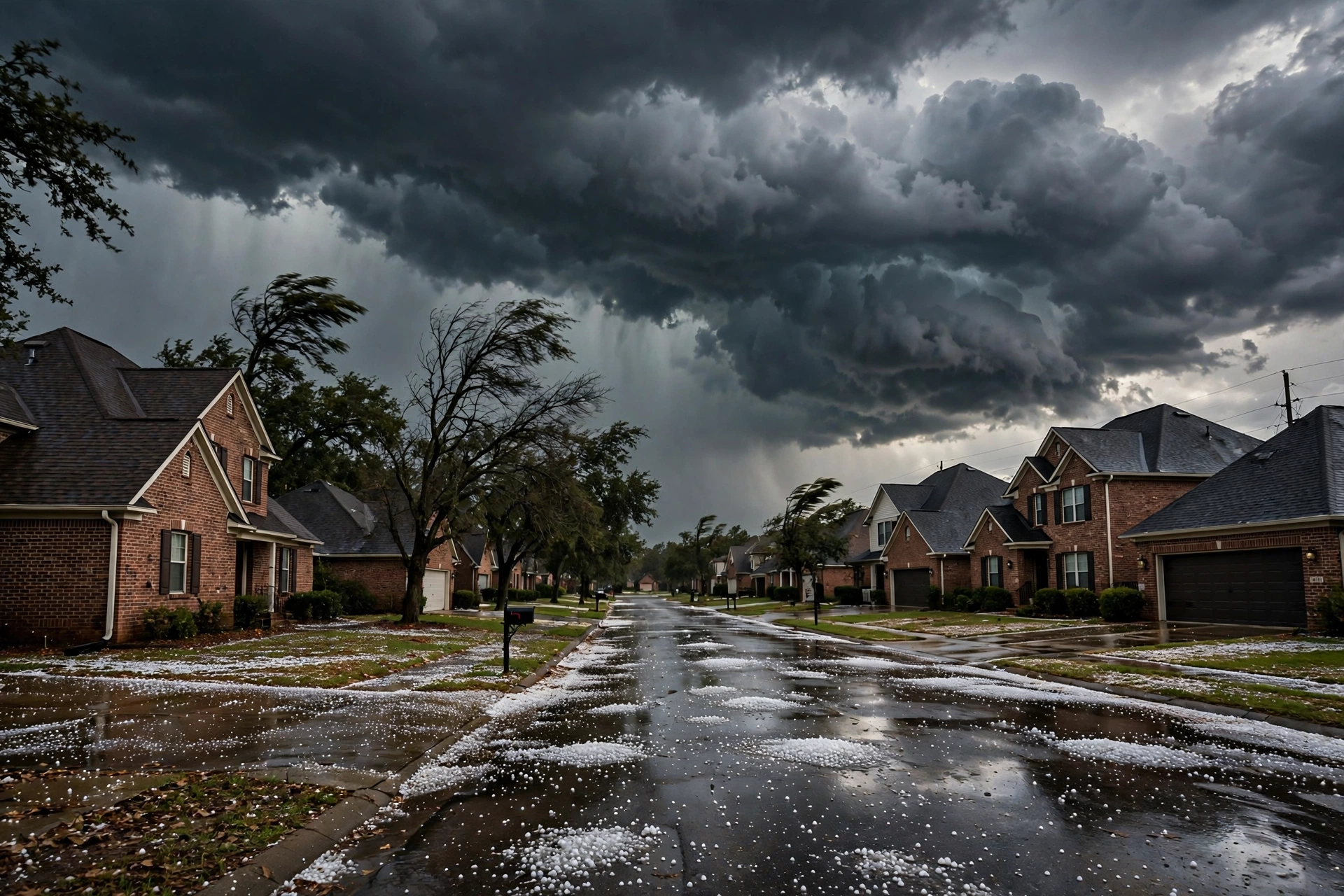
Texas roofs fight three enemies at once: brutal summer heat, hail that can arrive without much warning, and wind from storms that test every edge and fastener. The best material for your home depends on which of those threats matters most on your street, how long you plan to stay, and what you can budget honestly. This comparison walks through standard asphalt, impact-resistant Class 4 shingles, metal, and tile with their strengths, limits, and labeled published planning price ranges, so you can choose with evidence instead of a sales pitch.
The Texas Standard: Architectural Asphalt Shingles
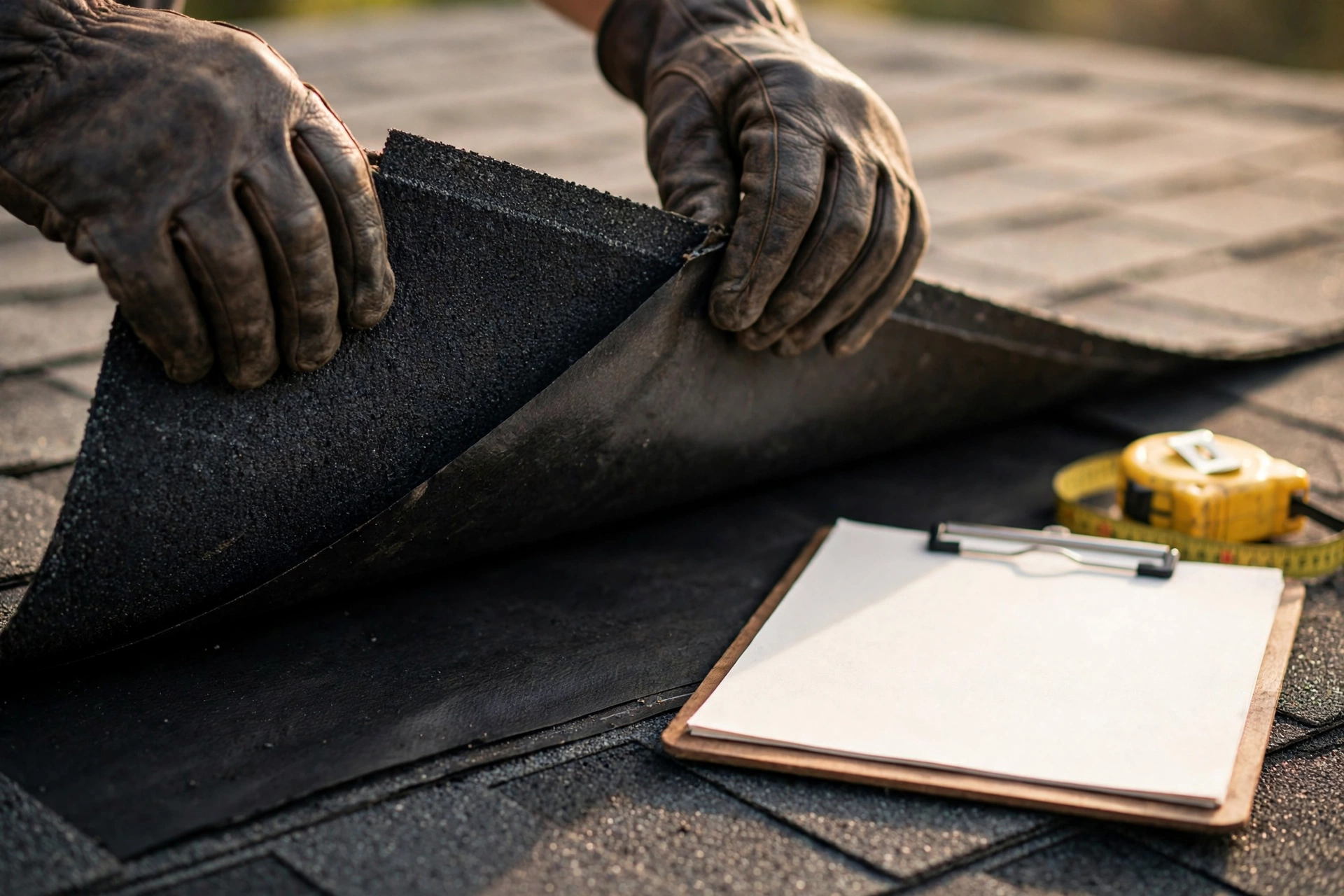
Architectural asphalt shingles are the most common roofing material in Texas for practical reasons: they install quickly, repair easily, suit most home styles, and cost less up front than any alternative. Modern architectural shingles are thicker and more wind-resistant than old three-tab products, and quality installation — proper nailing, sealed edges, sound flashing — matters as much as the shingle itself in storm performance.
The trade-offs are heat and lifespan. Texas sun and attic heat age asphalt steadily, granules shed over time, and standard shingles carry the least hail resistance of the materials in this guide. For a homeowner planning to move within a decade, or replacing a storm-damaged roof within an insurance scope, architectural asphalt remains a rational, proven choice. Just choose a reputable product line and an installer who treats underlayment, ventilation, and flashing as part of the system.
Class 4 Impact-Resistant Shingles: Built for Hail Country
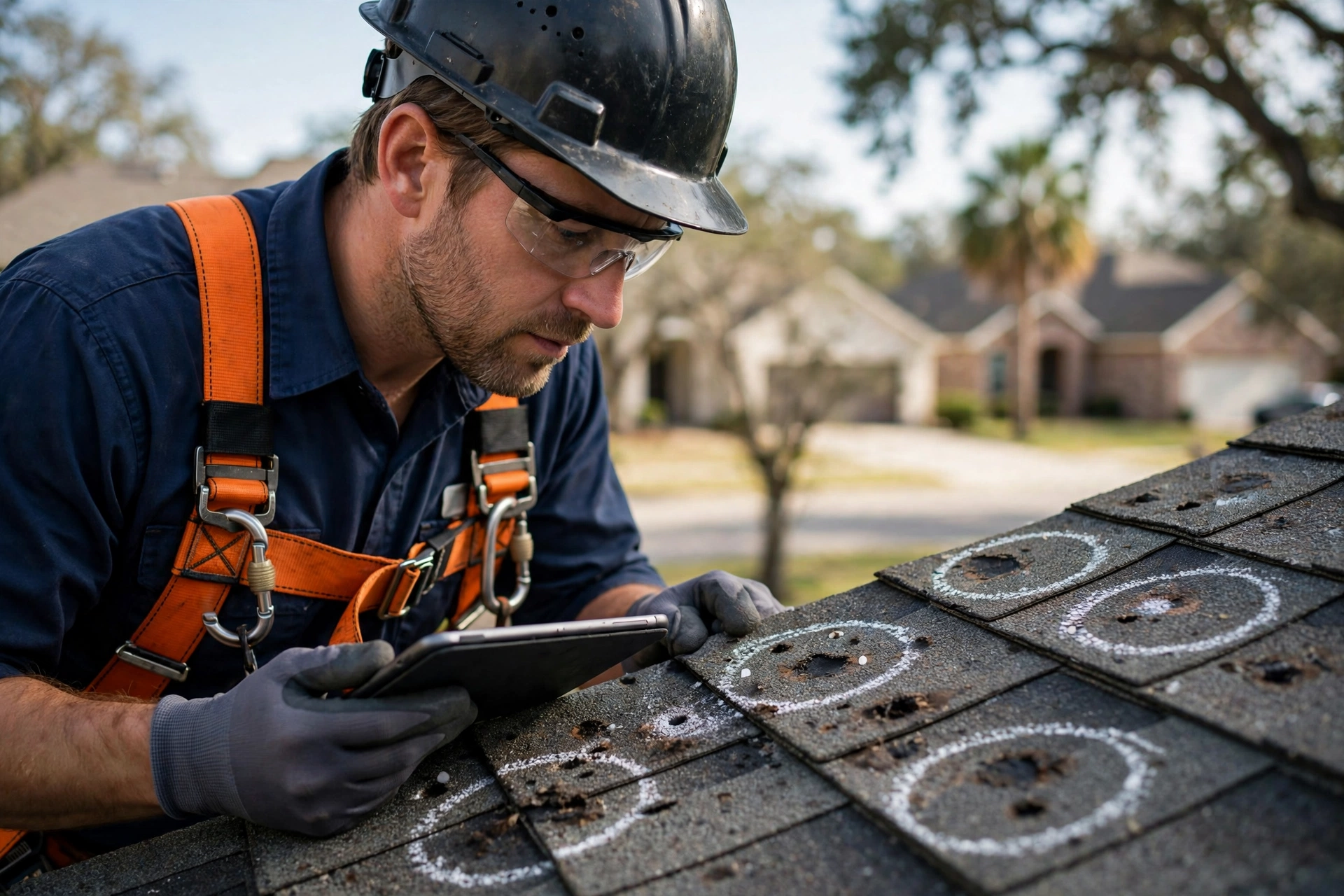
Class 4 shingles are asphalt shingles engineered and tested to withstand significant hail impacts without cracking, earning the highest impact rating under the standard UL 2218 test. In Dallas–Fort Worth hail country, that resilience can mean the difference between cosmetic marks and functional damage after a storm.
There is a possible second benefit: many insurers offer premium discounts for verified Class 4 impact-resistant roofs. That is a widespread practice, not a guarantee — the discount, its size, and its documentation requirements depend entirely on your insurer and policy, so ask your agent before counting on savings. Even without a discount, homeowners who plan to stay long-term in a hail-prone area often find the added impact resistance worth the moderate premium on its own merits.
Metal Roofing: Longevity and Wind Performance
Metal roofing — standing seam and quality metal panel systems — offers the longest service life in this comparison, excellent wind performance when properly fastened, and strong resistance to hail denting functionally even if severe hail can leave cosmetic marks. Metal reflects more solar heat than dark asphalt, which Texas homeowners appreciate in August, especially in lighter colors paired with good attic ventilation.
The considerations are cost, noise expectations, and repairability. Up-front price is substantially higher, though spread over a longer life the yearly math narrows. Rain noise is usually well controlled with solid decking and underlayment on homes, contrary to barn-roof stereotypes. Repairs require metal-specific skills, and matching aged panels can be tricky. For long-term owners who value durability and wind resistance and can fund the premium, metal is a serious contender in Texas.
- ★Longest service life of the common Texas options
- ★Excellent wind resistance with proper fastening
- ★Higher up-front investment, offset by a long service life
- ★Possible cosmetic hail denting without functional failure
Tile Roofing: Heat Durability With Structural Demands
Clay and concrete tile handle Texas heat exceptionally well — tile does not degrade under ultraviolet exposure the way asphalt does, and the air space beneath tiles reduces heat transfer into the attic. Tile suits the Mediterranean and Spanish-inspired architecture common in parts of Dallas–Fort Worth, and a tile surface can serve for decades.
Tile has two decisive caveats. First, weight: tile is heavy, and many homes need a structural evaluation — and sometimes reinforcement — before tile can replace a lighter roof. Never assume your framing qualifies without an assessment. Second, hail and foot traffic can crack individual tiles; the roof remains serviceable, but cracked tiles need replacement, and walking a tile roof requires care and experience. Tile rewards the right house and the right installer, and punishes shortcuts in both.
Heat, Ventilation, and Color: The Hidden Half of Performance
Material choice is only half the Texas equation. Attic ventilation directly affects shingle life, since a poorly ventilated attic bakes the roof from below through every summer. Balanced intake and exhaust ventilation, sound underlayment, and correct flashing details will extend the performance of any material on this list — and their absence will shorten even a premium roof. When comparing quotes, look beyond the shingle or panel name to the full system specification in writing.
Color matters here, too. Lighter roof colors reflect more heat than near-black tones, which can modestly reduce attic temperatures and cooling load. Some asphalt products are made with reflective granules for this purpose. In a climate where roofs endure months of high heat, these details compound: a mid-tier material installed as a complete, ventilated system routinely outperforms a premium material installed carelessly.
Choosing for Your Home, Budget, and Time Horizon
Match the material to your situation. Planning to sell within a few years? Architectural asphalt delivers a sound, attractive roof at the lowest planning range. Staying long-term in a hail corridor? Class 4 shingles offer targeted impact resistance for a moderate premium, with a possible insurance discount to investigate. Staying for decades and funding longevity? Metal deserves a full quote. Own a structure built for tile with the architecture to match? Tile can be superb, after structural confirmation.
Ranges frame expectations; your roof size, pitch, complexity, and chosen product set the real number. Choose the system you can install properly, not just the material you can buy cheaply.
Not Sure What Your Roof Needs?
Get a photo-documented inspection and decide with evidence.
Questions, Answered
Class 4 impact-resistant shingles are specifically tested for hail resistance at a moderate price premium, and metal roofing also performs strongly against functional hail damage. Standard asphalt is the most vulnerable of the common options. Your insurer may offer a discount for Class 4, but that varies by policy and is not guaranteed.
For long-term homeowners it often is: metal offers the longest service life, excellent wind performance, and good heat reflection. The up-front investment is higher, so the value case depends on staying in the home long enough to benefit from its durability.
Only after a structural evaluation confirms your framing can carry tile weight, which is far heavier than shingles. Some homes need reinforcement. Tile is also a bigger investment, and its underlayment will need renewal during the tile surface life.